
Mountain Lakes, NJ Orthodontist Answers: How Do Braces Move Your Teeth?
Caggiano Orthodontics
If our 5-star Mountain Lakes, NJ orthodontist had to answer how braces move your teeth in just one word, that word would be pressure. That’s where the magic is. Not just any pressure will work, however! In order to sustain healthy, long-term movement, braces need to apply slow, steady, and sustained pressure. Our orthodontic office in Mountain Lakes works to calculate what nuanced forces your teeth need. Our aim is always to provide you with the best, most beautiful version of your smile.
How Pressure Moves Your Teeth
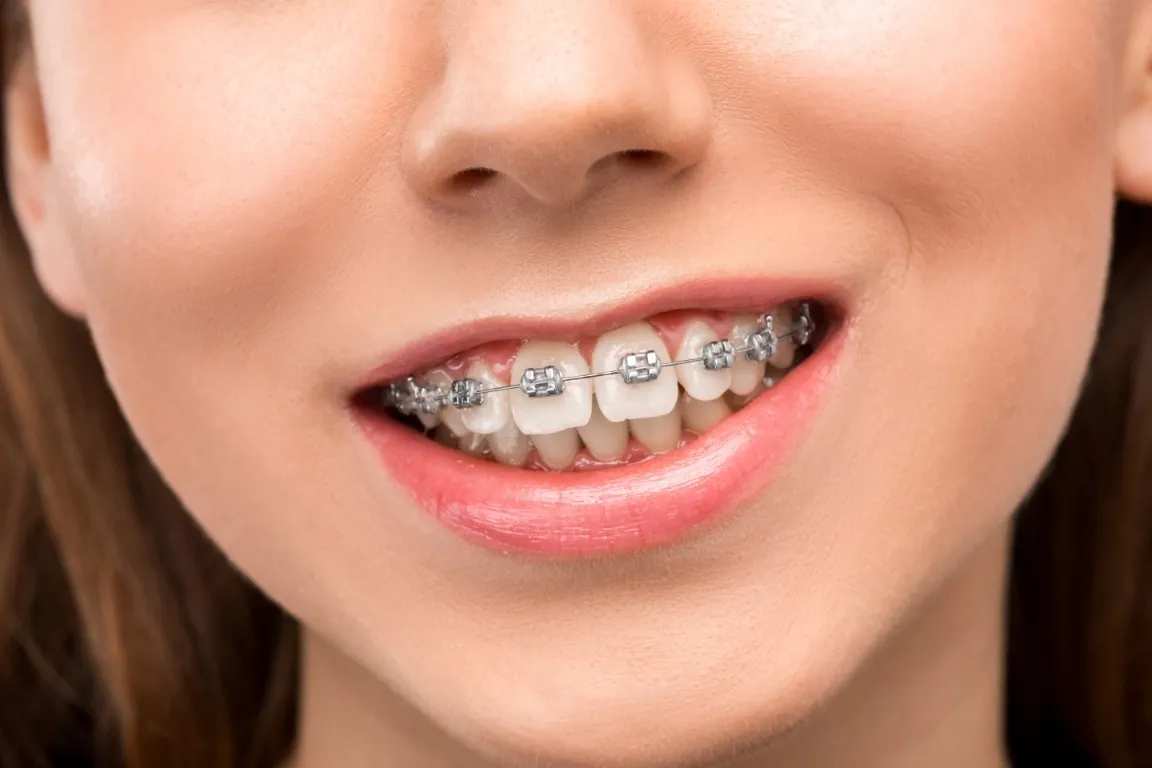
When you wear braces, each of your teeth will have a bracket or “brace” glued to it that will remain throughout treatment. Our Mountain Lakes, NJ orthodontist will then attach an archwire to the brackets. This wire is the primary source of pressure which allows for desired movement. Elastics attached from the top to the bottom jaw are also responsible for additional movement in necessary cases.
Once the proper equipment has been put in place, your wires will be tightened to the appropriate level of tension. There is a common misconception that the tighter your wires are, the faster your braces can come off. This is not the case. In fact, balancing forces can be tricky. Our Mountain Lakes orthodontist is highly trained to detect what level of pressure is appropriate for your smile.
Tighter Braces Are Not Necessarily Better
Too much pressure will not accelerate treatment. In fact, it may slow the process altogether. When slow pressure is applied to your teeth, the tissue below is allowed time to adjust and heal, all while keeping your teeth strong and healthy. If the amount of pressure applied is too great, you run the risk of damaging your teeth and tissue because blood cannot properly flow.
This makes sense when you think about other examples of extreme pressure on your teeth. For instance, ever wonder why Rocky’s opponents lost teeth in the ring? Essentially, a boxer sustaining a hit that results in a lost tooth is a result of excess pressure. It’s a good thing that it takes a lot of effort to move our teeth, or they’d be massively shifting all the time!
How Do I Ensure My Smile Does Not Keep Moving After Braces? Our Mountain Lakes, NJ Orthodontist Answers
After you have invested a significant amount of time in improving your smile, it is important to make sure it stays that way. Teeth naturally shift over time regardless of your orthodontic history. Our Mountain Lakes, NJ orthodontist explains that is why wearing your prescribed retainer is imperative. Retainers prevent reversal of movement and will keep your smile looking great for years to come.
The information provided in this article is not meant to be medical advice and is for educational purposes only. If you would like to learn more about this and other topics related to orthodontics, feel free to contact Caggiano Orthodontics, with a convenient orthodontic office located near Mountain Lakes NJ.
teeth movement with braces, what does orthodontics do, mountain orthodontics, lakes orthodontist, magic teeth brace reviews, braces in your teeth, magic smile teeth brace, what can a smile do answer, orthodontist mount morris, invisalign mount morris, mountain orthodontist, braces mount morris, braces in nj, how do braces move your teeth, braces for your teeth, teeth pressure, mountain lakes dentistry, braces movement, braces nj, caggiano orthodontics reviews, braces teeth movement, μωβ σιδερακια, my orthodontist rocky mount, mountain top orthodontist, braces on your teeth, brace place orthodontics, teeth moving with braces, braces moving teeth, if your teeth move after braces, dentist and orthodontist near me, braces east hanover, mountains orthodontics, how fast does braces move your teeth, what does braces do, lost mountain lakes, braces pressure, what do you do with your teeth answer, why are braces so slow, how braces move teeth video, moving teeth with braces, overbite smile vs regular smile, big smile with braces, how much pressure do braces put on teeth, move up ortho, mountain lakes nj county, how do braces shift your teeth, braces hanover, hanover braces, orthodontist franklin lakes nj, braces in pompton lakes nj, pompton lakes nj orthodontics, pompton lakes nj orthodontist, invisalign franklin lakes, accelerated orthodontics franklin, invisalign in pompton lakes nj
Understanding Different Types of Braces
When it comes to orthodontic treatment, various types of braces are available to meet individual needs. Traditional metal braces, ceramic braces, and lingual braces each offer unique benefits and cater to different aesthetic preferences and dental conditions.
For instance, traditional metal braces are the most common and are known for their effectiveness in treating complex dental issues. Ceramic braces, on the other hand, blend with the natural color of teeth, making them less noticeable. Lingual braces are placed on the back of the teeth, providing a completely hidden option for those concerned about appearance during treatment.
The Benefits of Choosing Invisalign
Invisalign has gained popularity as an alternative to traditional braces due to its clear aligners that offer a discreet way to straighten teeth. This treatment allows for greater comfort and flexibility, as the aligners can be removed for eating and oral hygiene.
Moreover, Invisalign uses advanced 3D imaging technology to create a personalized treatment plan, allowing patients to visualize their expected results. Many patients appreciate the convenience of fewer office visits and the ability to maintain their regular lifestyle without the restrictions often associated with metal braces.
What to Expect During Your Orthodontic Consultation
Your first orthodontic consultation is a crucial step in your journey to a healthier smile. During this visit, the orthodontist will evaluate your dental health, discuss your treatment options, and create a customized plan tailored to your needs.
Patients can expect a thorough examination, including X-rays and photographs, to assess the alignment of teeth and jaws. This initial meeting is also an opportunity to ask questions about the treatment process, duration, and any concerns regarding cost and insurance coverage.
Maintaining Oral Hygiene with Braces
Proper oral hygiene is essential for anyone undergoing orthodontic treatment, especially for those with braces. Braces can trap food particles and plaque, making it crucial to maintain a diligent cleaning routine to prevent cavities and gum disease.
Patients should brush their teeth after every meal and use special tools like interdental brushes and floss threaders to clean around brackets and wires effectively. Regular visits to the dentist for cleanings and check-ups are also recommended to ensure optimal oral health throughout the treatment process.